Painful Skin Lump on the Back: When a Cyst Becomes Infected
Skin lumps can appear almost anywhere on the body, and while many are harmless, some can become painful, swollen, and infected. The image above shows a man undergoing a medical procedure to treat a large, inflamed lesion on his upper back — a situation that often results from an infected cyst or abscess.
Understanding what causes these painful skin conditions and knowing when to seek medical care can prevent serious complications.
What Is a Skin Cyst?
A skin cyst is a closed sac under the skin filled with fluid, pus, or other material. The most common type is an epidermoid cyst, which forms when skin cells multiply beneath the surface instead of shedding normally.
Cysts typically:
-
Grow slowly
-
Feel soft or firm under the skin
-
Are usually painless
-
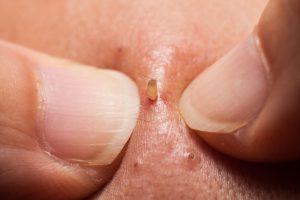
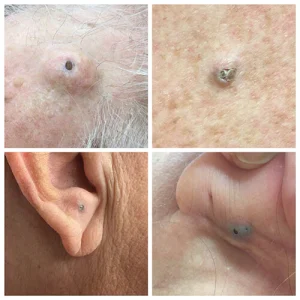
May have a small visible opening (punctum)
In many cases, cysts do not require treatment unless they become irritated, infected, or cosmetically concerning.
When a Cyst Becomes Infected
Problems begin when bacteria enter the cyst, causing infection. This can happen due to:
-
Repeated friction or pressure
-
Attempting to squeeze or pop the cyst
-
Poor hygiene
-
Trauma to the area
An infected cyst often turns into an abscess, which is a pocket of pus that forms due to the body’s immune response.
Signs of Infection
If you notice any of the following symptoms, the cyst may be infected:
-
Redness and warmth around the lump
-
Rapid swelling
-
Severe pain or tenderness
-
Thick, foul-smelling drainage
-
Fever or chills (in severe cases)
In the image, the surrounding skin appears red and inflamed — classic signs of infection requiring medical attention.
Why You Shouldn’t Pop It Yourself
Many people are tempted to squeeze or drain a cyst at home. However, doing so can:
-
Push bacteria deeper into the skin
-
Spread infection
-
Cause scarring
-
Lead to more severe inflammation
Medical professionals use sterile tools and controlled techniques to safely drain infected cysts and reduce complications.
Medical Treatment: What to Expect
When you visit a doctor for an infected cyst, treatment may include:
1. Incision and Drainage (I&D)
This is the most common treatment for an abscess. The doctor:
-
Cleans the area thoroughly
-
Makes a small incision
-
Drains the pus
-
May place sterile packing inside to allow proper healing
2. Antibiotics
If the infection is spreading or severe, oral antibiotics may be prescribed.
3. Complete Cyst Removal
After the infection clears, the doctor may recommend removing the cyst wall entirely to prevent recurrence.
Recovery and Aftercare
Healing usually takes 1–3 weeks depending on the size and severity of the infection. Proper aftercare is essential:
-
Keep the area clean and dry
-
Follow wound care instructions carefully
-
Change dressings as directed
-
Complete all prescribed antibiotics
-
Avoid heavy sweating or friction on the area
Failure to follow aftercare instructions can cause the infection to return.
When to Seek Immediate Help
Seek urgent medical attention if you experience:
-
Fever above 101°F (38.3°C)
-
Increasing redness spreading outward
-
Severe pain that worsens
-
Red streaks near the area
-
Signs of systemic illness
These symptoms may indicate a spreading infection that requires prompt treatment.
Final Thoughts
A painful, swollen lump on the back can be more than just a minor inconvenience — it may be an infected cyst requiring professional care. Early treatment helps reduce pain, prevent complications, and speed up recovery.
If you notice a rapidly growing, red, or painful lump on your skin, consult a healthcare professional promptly rather than attempting home remedies.
Your skin health matters — and sometimes, the safest solution is in trained medical hands.
Preventing Future Cysts
While not all cysts can be prevented, you can reduce your risk by:
-
Practicing good hygiene
-
Avoiding picking or squeezing skin bumps
-
Treating acne properly
-
Wearing loose clothing to reduce friction
-
Seeking early treatment for suspicious lumps