Skin cysts are common, usually harmless lumps that form beneath the skin. However, when a cyst becomes infected, it can turn painful, swollen, and potentially dangerous if left untreated. The images above show advanced infected cysts with visible pus, inflammation, and tissue damage—clear signs that medical attention is required.
This article explains what infected skin cysts are, why they occur, how they are treated, and how to prevent complications.
💰What Is a Skin Cyst?
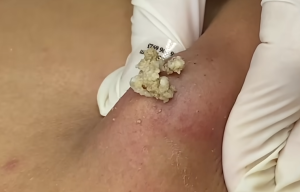
A skin cyst is a closed sac beneath the skin filled with fluid, keratin, or other material. The most common type is an epidermoid (sebaceous) cyst, which develops when skin cells multiply instead of shedding normally.
Under normal conditions, cysts are:
-
Slow-growing
-
Painless
-
Soft or firm to the touch
-
Skin-colored or slightly yellow
However, once bacteria enter the cyst, it can become infected and inflamed.
🎺What Happens When a Cyst Becomes Infected?
An infected cyst undergoes significant changes. The immune system responds aggressively, causing redness, swelling, pain, and pus formation.
Visible Signs of Infection
Based on the images, common signs include:
-
Intense redness and warmth around the cyst
-
Rapid swelling and tension in the skin
-
Yellow, green, or white pus discharge
-
A foul odor from the wound
-
Skin breakdown or ulceration
-
Bleeding and necrotic (dead) tissue in severe cases
In advanced infections, the cyst may rupture, releasing thick, cheese-like material mixed with blood and pus.
⭐Common Causes of Cyst Infection
Several factors can trigger infection:
-
Bacterial entry through small skin breaks
-
Squeezing or popping the cyst at home
-
Poor hygiene or friction from clothing
-
Blocked hair follicles
-
Weakened immune system (diabetes, stress, illness)
Once bacteria multiply inside the cyst, the infection can spread to surrounding tissue.
❄Why You Should Never Pop an Infected Cyst at Home
Many people attempt to drain cysts themselves, which is dangerous.
❌ Home popping can:
-
Push bacteria deeper into the skin
-
Worsen inflammation
-
Cause abscess formation
-
Lead to scarring
-
Spread infection into the bloodstream
The images show professional medical drainage, which is the safest approach.
🎊Medical Treatment for Infected Skin Cysts
1. Clinical Evaluation
A healthcare professional assesses:
-
Size and depth of the cyst
-
Severity of infection
-
Signs of systemic infection (fever, fatigue)
2. Incision and Drainage (I&D)
This is the most effective treatment:
-
The area is sterilized and numbed
-
A small incision allows pus to drain
-
Thick cyst contents are carefully removed
-
The wound is cleaned and packed if needed
3. Antibiotic Therapy
Depending on severity:
-
Topical antibiotics for mild cases
-
Oral antibiotics for deeper infections
-
IV antibiotics if infection spreads
4. Complete Cyst Removal (If Needed)
If the cyst wall remains, recurrence is possible. Surgical removal may be done after infection subsides to prevent return.
🔆Healing and Recovery Process
After proper treatment:
-
Swelling reduces within days
-
Pain improves significantly
-
Drainage decreases gradually
-
Skin heals over 1–3 weeks
Proper wound care is essential:
-
Keep the area clean and dry
-
Change dressings as advised
-
Avoid pressure or friction
-
Do not touch or squeeze
Scarring depends on cyst size, infection severity, and healing quality.
🌞Possible Complications If Left Untreated
Untreated infected cysts can lead to:
-
Large abscess formation
-
Permanent scarring
-
Cellulitis (deep skin infection)
-
Fever and systemic illness
-
Sepsis in rare, severe cases
Early medical intervention prevents these outcomes.
🔥When to See a Doctor Immediately
Seek medical care if:
-
The cyst becomes painful or rapidly enlarges
-
Pus, blood, or foul-smelling discharge appears
-
Skin turns dark red or purple
-
Fever or chills develop
-
The cyst does not improve within a few days
✨Prevention Tips
To reduce the risk of cyst infection:
-
Avoid squeezing or picking at skin lesions
-
Maintain good personal hygiene
-
Wear loose, breathable clothing
-
Treat acne and skin conditions early
-
See a professional for persistent cysts
🔊Conclusion
Infected skin cysts are not just cosmetic issues—they are medical conditions that require proper care. The images demonstrate how severe these infections can become without treatment. Professional drainage, antibiotics, and proper wound care ensure safe healing and prevent serious complications.
If you notice signs of infection, do not delay—early treatment leads to faster recovery and better skin outcomes.