Introduction:
Abscesses, which are pockets of infection filled with pus, can form on various parts of the body. While they often appear on the skin, they can occur deeper in the body as well. When these abscesses do not resolve on their own, medical intervention is necessary. This article explores the process of abscess drainage, what patients can expect, and how to properly care for the wound after treatment.
What is an Abscess?
An abscess is a swollen, red, painful bump filled with pus, often caused by a bacterial infection. The body creates an abscess as a way to contain the infection. Common areas for abscesses include under the skin, around hair follicles, or within internal organs.
Types of Abscesses and Their Causes:
Abscesses come in various types, including:
-
Skin Abscesses: Often caused by bacterial infections like Staphylococcus aureus, these abscesses typically appear as painful lumps filled with pus.
-
Dental Abscesses: These occur around the root of a tooth or in the gums and are usually caused by untreated tooth decay or infection.
-
Perianal Abscesses: Located near the anus, these abscesses can cause discomfort and may be accompanied by fever or pain.
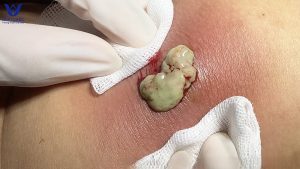
The image above shows a more advanced abscess with significant infection and inflammation around the area. At this point, drainage and appropriate medical treatment are needed to avoid complications.
When is Abscess Drainage Necessary?
While some abscesses can be treated with antibiotics or might resolve on their own, larger abscesses or those that cause severe discomfort often require drainage. If left untreated, abscesses can grow, burst, or spread the infection to surrounding tissues.
The Abscess Drainage Procedure:
-
Preparation: The area around the abscess is cleaned thoroughly to reduce the risk of infection.
-
Anesthesia: A local anesthetic is applied to numb the area, ensuring that the procedure is pain-free.
-
Incision and Drainage: A small incision is made in the abscess, and the pus is drained out. This provides immediate relief from the swelling and pain.
-
Cleaning: The wound is carefully cleaned, and any remaining debris is removed.
-
Dressing: A sterile dressing is applied to the site, which will be changed regularly during the healing process.
The image shows a more advanced abscess, where drainage is clearly needed to prevent further complications. In these cases, the procedure might also involve removing any necrotic tissue (dead tissue) to promote healing and prevent reinfection.
Aftercare for Abscess Drainage:
After the drainage procedure, follow these steps to ensure proper healing:
-
Keep the wound clean: Regularly clean the wound with mild soap and water, as instructed by your healthcare provider.
-
Apply topical antibiotics: To prevent infection, your doctor may recommend applying an antibiotic ointment.
-
Watch for signs of infection: Increased redness, warmth, swelling, or discharge from the wound could indicate an infection.
-
Avoid physical strain: Rest and avoid activities that could irritate or reopen the wound.
-
Follow-up care: A follow-up visit may be necessary to ensure the abscess heals properly and to check for any recurrence.
Potential Risks and Complications:
While the procedure is generally safe, there are some risks involved, such as:
-
Infection: Even after drainage, the wound can become infected if not properly cared for.
-
Scarring: Depending on the size and location of the abscess, there may be some scarring after the procedure.
-
Abscess Recurrence: In some cases, abscesses may return, especially if the underlying cause is not addressed (e.g., poor hygiene or an untreated underlying health condition).
Conclusion:
Abscess drainage is a relatively simple but essential procedure for relieving pain and preventing the spread of infection. By following proper aftercare and attending follow-up appointments, patients can expect a smooth recovery and minimize the risk of complications.
Videos