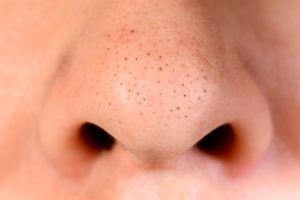
The image above shows a close-up view of a nose affected by multiple blackheads and clogged pores, ranging from small dark comedones to larger, deeply embedded plugs. This type of condition develops gradually and often goes unnoticed until congestion becomes widespread and visible.
Understanding Blackheads on the Nose
The nose is one of the most oil-producing areas of the face. Sebaceous glands here work continuously, and when excess oil mixes with dead skin cells, pores become blocked. Once exposed to air, the trapped material oxidizes and turns dark, forming blackheads.
Common reasons nose blackheads become severe include:
-
Excess sebum production
-
Infrequent or improper cleansing
-
Heavy skincare or makeup products
-
Environmental pollution
-
Hormonal changes
-
Repeated touching or squeezing
Over time, these factors cause pores to stretch, allowing blackheads to grow larger and harder.
Why Some Blackheads Look Purple or Gray
In the image, some clogged pores appear dark purple, gray, or bluish. This usually indicates:
-
Long-standing buildup deep within the pore
-
Thickened, compacted sebum
-
Mild inflammation under the skin
These deeper comedones are more difficult to remove and require professional handling.
Professional Extraction Process
For severe congestion like this, trained professionals follow a careful, step-by-step approach:
-
Deep Cleansing
The skin is cleaned to remove surface oil, dirt, and bacteria. -
Pore Softening
Steam or warming techniques help loosen hardened plugs. -
Controlled Opening of Pores
A sterile lancet may be used to gently open the pore without tearing the skin. -
Gradual Extraction
Pressure is applied evenly to release the compacted material without forcing it deeper. -
Disinfection and Calming
Antiseptic and soothing agents are applied to prevent infection and reduce redness.
This method minimizes trauma and helps protect the surrounding skin.
Dangers of DIY Nose Extractions
Attempting to squeeze blackheads at home—especially ones as deep as those shown—can lead to:
-
Broken capillaries
-
Swelling and bruising
-
Infection
-
Permanent scarring
-
Enlarged pores
The nose contains many blood vessels, making it especially vulnerable to damage from improper pressure.
Post-Extraction Skin Healing
After extraction, the skin may look red and irritated. This is normal and usually fades within a few days. Proper aftercare is essential:
-
Avoid touching or picking the area
-
Keep skin clean and hydrated
-
Use gentle, non-comedogenic products
-
Avoid harsh exfoliants for several days
-
Apply calming or antibacterial treatments if recommended
Preventing Blackheads From Returning
To keep pores clear:
-
Cleanse twice daily with a gentle cleanser
-
Use light exfoliation 1–2 times per week
-
Avoid heavy oils on the nose
-
Remove makeup thoroughly
-
Use clay masks occasionally to absorb excess oil
Consistency is key—blackheads develop slowly, and prevention works the same way.
Final Thoughts
This image highlights how untreated blackheads can spread and deepen over time, especially in high-oil areas like the nose. While extraction can dramatically improve skin texture, long-term results depend on proper skincare and maintenance. With the right care, even severely congested skin can recover and regain a smoother, healthier appearance.
Full Videos: